


Attorneys managing finances themselves often make avoidable mistakes. Compliance in law firm bookkeeping is non-negotiable, as financial mistakes can lead to disciplinary action, legal consequences, or reputational damage. This blog explains how law firm bookkeeping supports compliance and why growing attorneys must treat it as a priority from day one.
Accrual Accounting

A corporation that fails to meet the function test or the ownership test is not treated as a qualified PSC for any part of that tax year. You choose an accounting method when you file your first tax return. If you later want to change your accounting method, you must generally get IRS approval.
Forecast cash flow

Tailoring your accounting approach to your firm’s size can help you avoid overcomplicating processes or under-preparing for growth. IOLTA account management Maintaining pooled client trust accounts for retainers, settlement funds, and costs. Look for accounting services that specialize in working with law https://blutechglobal.com/2022/12/20/climate-risk-adjusted-discounted-cash-flow-method/ firms.
What Is Lockup in Law Firms? The Cash…
- This method does not recognize accounts receivable or accounts payable.
- E’s deferral period for the tax year beginning December 1 is 3 months, the number of months between September 30 and December 31.
- Day-to-day bookkeeping tasks shouldn’t add to your team’s burden.
- Document automation, custom fields, and e-mail are document management features.
- Without proper tracking, your budget can spiral out of control and tax season can become a nightmare.
Requirements for filing the return and figuring the tax are generally the same as the requirements for a return for a full tax year (12 months) ending on https://www.bookstime.com/ the last day of the short tax year. The responsibility to substantiate entries, deductions, and statements made on your tax returns is known as the burden of proof. You must be able to prove certain elements of expenses to deduct them. Purchases, sales, payroll, and other transactions you have in your business generate supporting documents. These documents contain information you need to record in your books.
- This means no more manual spreadsheets or worrying about whether your records are accurate.
- The responsibility to substantiate entries, deductions, and statements made on your tax returns is known as the burden of proof.
- Avoiding these pitfalls protects your firm’s financial health and legal standing.
- Controllers take a holistic look at your firm’s financial operations.
- You must first apply money from the paid invoice toward incurred costs.
An example of a compliance regulation violation could be mishandling client funds. Each will work together but serve a different purpose at your firm. Tax legislation is constantly evolving, and staying informed about changes is crucial for small business owners and corporate leaders.
- You’re probably thinking “one that does a good job of tracking invoices,” but no, that’s not it.
- Expenses such as health insurance, retirement plan contributions, business travel, and professional development are all potentially deductible.
- An inventory is necessary to clearly show income when the production, purchase, or sale of merchandise is an income-producing factor.
- Finally, we’ll go over some common financial mistakes and how to avoid them.
- But they also have all the information you need to understand your firm’s financial health month-to-month.
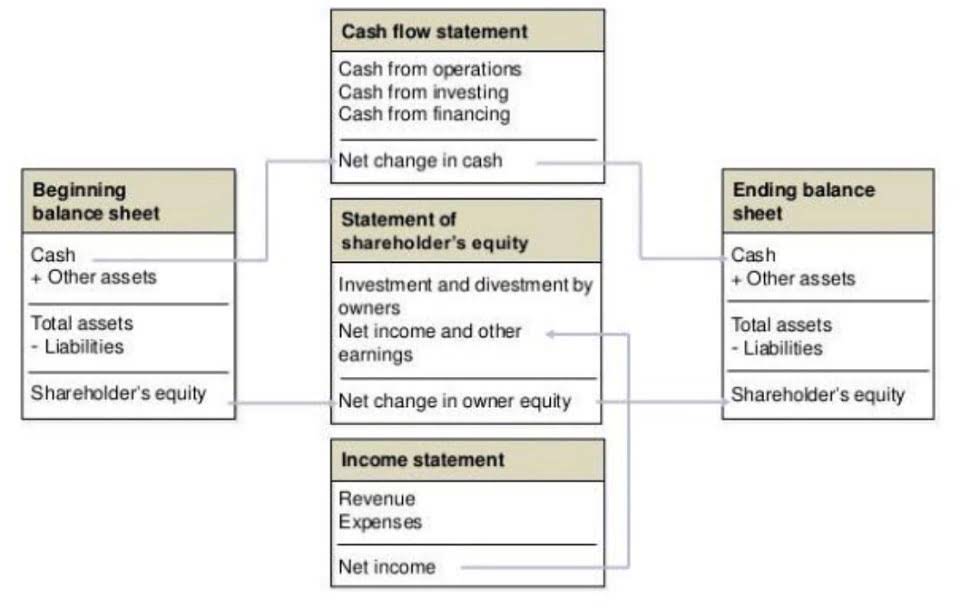
From trust account violations to inaccurate reporting, small issues can quickly turn into compliance problems and cash flow stress. A law firm accountant typically handles higher-level financial tasks, such as preparing tax filings, reviewing budgets, and offering strategic advice. Working with an accountant familiar with legal accounting rules ensures compliance and provides a broader perspective on the firm’s financial health.

A skilled bookkeeper ensures all reconciliations are performed correctly. Professional oversight reduces errors and supports compliance consistently. Reconciliation compares records with bank statements to confirm accuracy. Late financial entries make records inaccurate and unreliable quickly. Timely bookkeeping prevents confusion, errors, and compliance issues.
- They should also have a secure data storage system and policies in place to prevent unauthorized access.
- And when you commingle your personal and business finances, the following problems can arise.
- Your bookkeeper will help you track all information that is sent in and out of your business.
- CPA fees for tax preparation and business accounting are often deductible as a business expense.
A partnership or an S corporation that makes a section 444 election must make certain required payments and a PSC must make certain distributions (discussed later). The section 444 bookkeeping for law firms election does not apply to any partnership, S corporation, or PSC that establishes a business purpose for a different period, explained later. Even if a taxable entity was not in existence for the entire year, a tax return is required for the time it was in existence.
All pricing plans cover the accounting essentials, with room to grow. No – Xero is based in the cloud, so all you need is an internet connection. But you need a multi-factor authentication (MFA) app to log in to Xero.